
Artificial Coral Reefs: Can Humans Rebuild Ocean Habitats?

Updated: May 13
Many manmade structures that sink into the ocean are usually forgotten over time.
But now, some marine scientists intentionally preserve or place structures underwater in order to create artificial reefs.
Artificial reefs are human-made structures designed to support marine ecosystems by creating shelter, attracting marine life, and increasing biodiversity.
The more I researched artificial reefs, the more I realized humans are not only affecting ocean habitats. In some cases, humans are also trying to rebuild them.
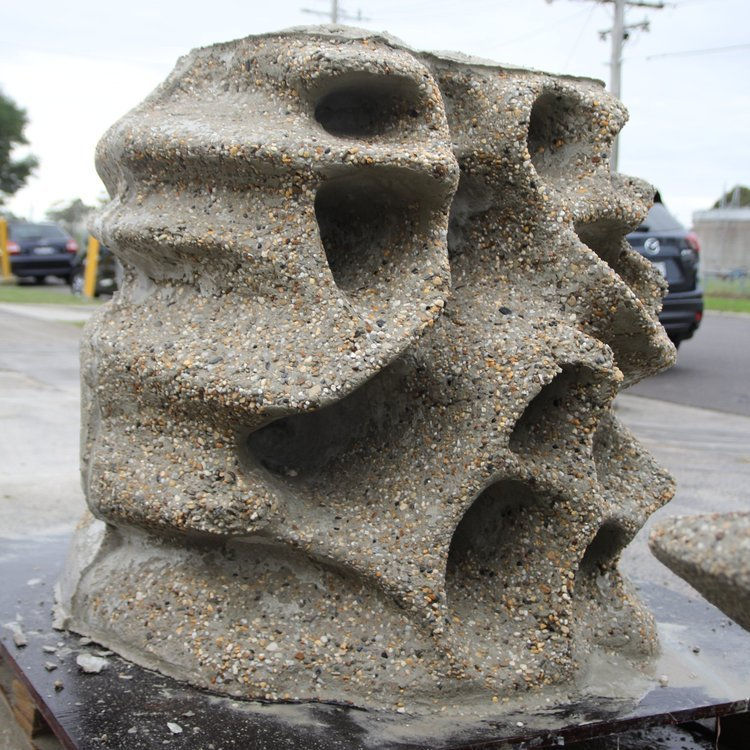
One of the Many Designs of Artificial Reefs (Credit to Reef Design Lab)
Artificial Reefs Have Existed Longer Than Most People Think
Even though artificial reefs sound like a modern idea, humans have experimented with them for centuries.
According to geographyrealm.com, one of the earliest known artificial reef systems appeared in 18th century Japan, where bamboo and leaves were intentionally sunk underwater.
Communities in Indo-Pacific regions also created early “fish attraction devices” to draw fish closer for fishing purposes.
Today, marine scientists continue developing artificial reefs using materials like concrete structures or even sunken ships.
One thing I find interesting is how humans continue learning from natural ecosystems and then trying to recreate parts of them artificially.
The more I study ocean habitats, the more connected marine ecosystems become.
In another post, I explored how kelp forests support biodiversity and underwater ecosystems along the California coast.
Artificial Reefs Can Help Marine Ecosystems
One major goal of artificial reefs is increasing biodiversity.
Real coral reefs protect coastlines, reduce wave energy, and provide shelter for countless marine species. Artificial reefs attempt to mimic some of these same environmental benefits.
Fish often use reefs for protection from predators and as places to reproduce and find food.
Some artificial reefs even become thriving ecosystems over time.
According to IMARCS, a World War II ship called the Thunderbolt was intentionally sunk underwater and later became home to sponges, hydroids, and many marine species.
Artificial reefs may also help reduce pressure on natural coral reefs affected by tourism and habitat damage.
Since artificial reefs are not living coral, they are not stressed by tourism in the same way real reefs are.
The more I learn about ecosystems, the more I realize habitats do much more than simply look beautiful underwater.
In another post, I explored how wetlands quietly regulate ecosystems, flooding, and biodiversity in ways many people overlook.
Artificial Reefs Still Have Risks
Even though artificial reefs can help ecosystems, they also come with risks.
Placement is extremely important.
If reefs are placed incorrectly, they can alter wave patterns and possibly increase erosion instead of reducing it.
The materials used also matter.
Some materials may release harmful chemicals into ecosystems and negatively affect marine life.
Artificial reefs also cannot completely replace real coral reefs and natural biodiversity.
Because of this, scientists continue researching how to improve reef design, placement, and environmental safety.
The more I thought about artificial reefs, the more I realized rebuilding ecosystems is much more complicated than simply placing structures underwater.
Look Closer ...
Artificial reefs reveal something interesting about humans and nature.
Humans helped damage many marine ecosystems through pollution, climate change, and habitat destruction.
Now humans are also trying to rebuild some of the systems that were damaged.
The more I study conservation, the more I realize ecosystems are much harder to rebuild than they are to destroy.
The More I Thought About It ...
The more I researched artificial reefs, the more I realized ocean ecosystems depend heavily on structure and balance.
Coral reefs are not just colorful environments.
They are foundations supporting biodiversity, protection, food webs, and survival for countless species.
Artificial reefs may never fully replace natural reefs, but they show that humans are beginning to understand how important these ecosystems really are.
Wild World Question:
Do you think humans will eventually be able to successfully rebuild damaged marine ecosystems? Why or why not?
If You’re Into This:
Marine Biology
Marine Ecology
Conservation Biology
Environmental Science
Rebuilding ecosystems may be one of the hardest things humans ever attempt.


Comments