Different Minds: Growing Up With Autism and What Animals Taught Me About Behavior.
- Dame

- Mar 24
- 2 min read

My Story + Where This Started.
Most people see behavior and make quick judgments.
Something happens, and they assume it’s random—or that it doesn’t make sense.
But growing up in a family with autism, I learned early that behavior usually does have a reason. You just don’t always see it right away.
That idea didn’t just change how I see people. It changed how I see animals too.


Growing Up With Autism In The Family.
Growing up with my siblings, I saw behaviors that didn’t always match what people expect. There were moments that felt unpredictable, overwhelming, or hard to explain from the outside. But over time, I started noticing something different: Patterns.
Certain reactions weren’t random. They were responses—to environment, to comfort, to stress, or to change. What looked confusing at first started to feel more understandable when I paid attention. Behavior isn’t random—it’s often a response to the world around us.



Connection to Animals and Behaviors.
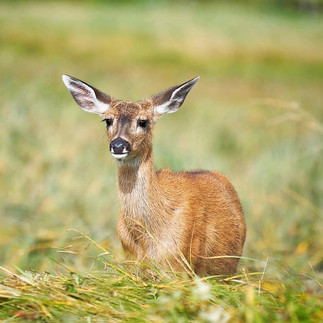
As I got more interested in animals, I started seeing the same idea show up in nature. Animals don’t act randomly either. For example, when a dog avoids a loud environment or a deer suddenly runs at a small movement, those reactions come from sensitivity, awareness, and survival instincts. Scientists study these behaviors to understand what animals are experiencing in their environment.
The more I learned, the more I realized: behavior is a form of communication. Whether it’s humans or animals, behavior often reveals what someone is experiencing—even without words.



Animals As Understanding + Escape
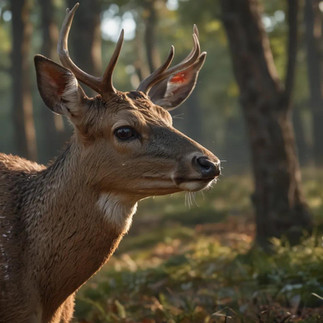
Spending time learning about animals became more than just an interest—it became a way to understand the world better. Animals don’t explain themselves. They don’t use words. But their behavior still tells a story. In a way, that made sense to me. There’s something about watching animals that feels clear. You observe, you look for patterns, and you start to understand what’s happening without needing everything to be explained directly. It also became a space to step back, think, and just observe—without pressure.
Sometimes understanding doesn’t come from words—it comes from paying attention.


Why This Series Matters?
This is why I’m starting the series Different Minds in Nature. It’s not just about animals. It’s about understanding that there are many different ways to experience the world—across species and within our own. Science gives us tools to study behavior, but it also gives us something else: perspective.
The more we study behavior, the more we realize that difference doesn’t mean random—it means there’s something we haven’t understood yet. Understanding different minds helps us become more aware, patient, and curious.


My Reflection.
Growing up around autism and studying animals taught me the same thing: Look closer.
What seems confusing at first often has a reason. You just have to be willing to observe, ask questions, and stay curious. There is still so much we don’t understand—about animals, about people, and about the different ways minds work.
Next month on Dame’s Wild World, we’re lighting it up blue for Autism Awareness in the Month of April—honoring my two siblings with autism, and exploring how different minds experience the world in a new series called Different Minds in Nature.




Comments