
What Causes Food Chains to Break Down?
- Dame

- 7 days ago
- 2 min read
Updated: 9 hours ago
Food chains are one of the most important parts of an ecosystem and can completely shape how it functions. Every animal and plant plays a role in keeping the system balanced. Unfortunately, ecosystems are fragile, and even small changes can affect an entire food chain. Sometimes ecosystems can recover, but other times the damage can lead to collapse.
When a food chain breaks down, animals may struggle to survive, migrate somewhere else, or disappear from the habitat completely. This shows how connected nature really is.
What Is a Food Chain?

A food chain is a system that shows how energy moves through an ecosystem. More specifically, it shows which animals eat other animals and how organisms depend on one another to survive.
Food chains are part of a larger system called a food web. A food web combines multiple food chains to show the full network of feeding relationships in a habitat.
These systems help scientists organize animals and plants into different levels, such as producers, consumers, and apex predators.
Food webs also reveal how important certain species are to the survival of an ecosystem.
Why Food Chains Break Down


One major reason a food chain can break down is when a species disappears from a habitat. This can happen because of migration, disease, natural disasters, climate change, pollution, or even human activity.
Some species are especially important to ecosystems. These are called keystone species because they help hold the entire ecosystem together. If a keystone species disappears, the effects can spread through the entire food web.
Diseases and natural disasters can be especially destructive because animals may not have enough time to adapt. If an important species dies out in large numbers, predators can lose food sources, prey populations can grow uncontrollably, and ecosystems can slowly collapse.
In severe cases, habitats can turn into “dead zones,” where very few organisms are able to survive.
How Humans Affect Food Chains

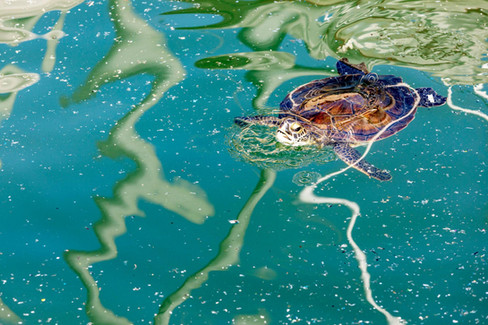



Humans can have a massive impact on ecosystems, which means we can also affect food chains and food webs. For example, overfishing can remove important species from oceans and disrupt marine ecosystems.
Deforestation destroys habitats that animals rely on for food and shelter.
Pollution can poison water sources and harm plants and animals throughout the food chain.
Even small actions can create ripple effects through ecosystems. Since every species is connected, damaging one part of a food chain can affect many others.
Why This Matters?
Food chains remind us that ecosystems are deeply connected. A single species disappearing may not seem important at first, but it can create effects throughout an entire environment.
The more scientists study ecosystems, the more we realize how fragile nature can be — and how important it is to protect it.


Comments