
Unleashing the Power of Wetlands.
- Dame

- Mar 3
- 3 min read
Updated: May 13
I Did Not Know Wetlands Were This Powerful.
I used to think wetlands were just marshy, swamp-like areas with lots of water and cool wildlife.
Birds, fish, tall grasses — interesting, but not something I thought much about.
What I didn’t know is that wetlands are one of the most powerful natural systems we have.
As I started researching coastal wetlands, I realized they don’t just look unique — they regulate, protect, and support life in ways that most people probably don’t think about.
They aren’t just habitats.
They’re systems.
What Are Wetlands?
According to the U.S. Environmental Protection Agency (EPA), wetlands are areas where water covers the soil or is present near the surface for part or all of the year.
That constant presence of water changes everything.
Because wetlands exist where land and water meet, they create conditions that are completely different from forests, grasslands, or open ocean systems.
Marshes, swamps, and mangroves are all types of wetlands — each shaped by how water moves through them.
That intersection between land and water is what gives wetlands their ecological power.


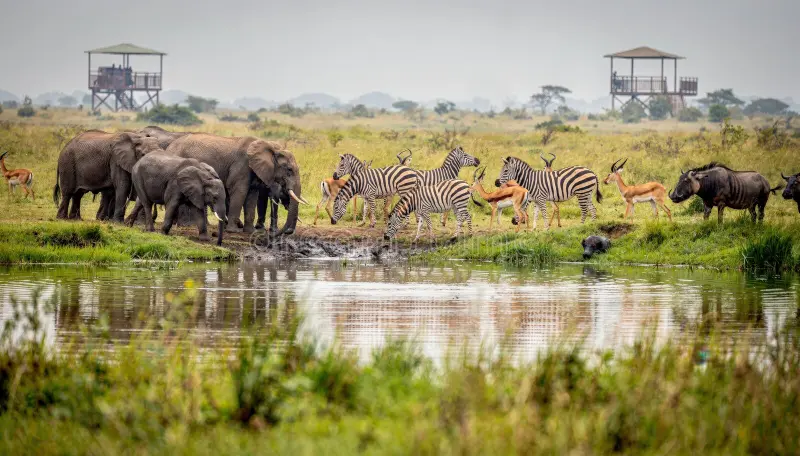


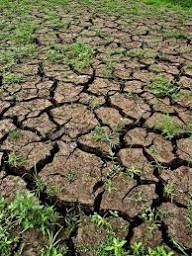
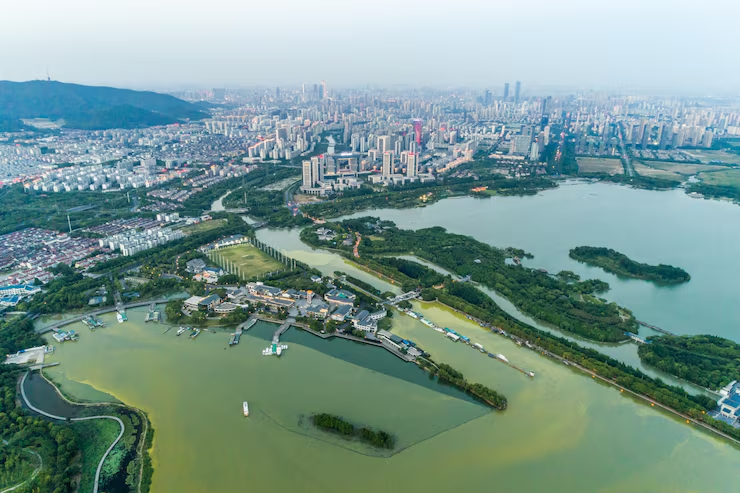


Image Credit: Stutterstock.com
Why Do They Matter?
1. Natural Flood Control
Wetlands act like sponges.
During heavy rain or storms, they absorb excess water and slow down runoff. Instead of water rushing straight into neighborhoods and streets, wetlands spread it out and store it in vegetation and soil. This reduces flooding and protects nearby communities.
It surprised me that something that looks so quiet can play such an active role in protecting cities.
2. Carbon Storage
This was the part I didn’t expect.
Because wetland soils are constantly saturated, decomposition happens more slowly. That means carbon gets trapped and stored in the soil instead of being released back into the atmosphere.
According to the U.S. Global Change Research Program, terrestrial wetlands in the continental United States store about 13.5 billion metric tons of carbon. That’s not a small number.
Wetlands aren’t just wildlife habitats — they’re part of the climate system.
3. Wildlife Habitat
Like other ecosystems, wetlands provide food, shelter, and breeding grounds.
Migratory birds stop there during long journeys. Amphibians and fish depend on them for reproduction. Insects and plants create the foundation of entire food webs.
Wetlands aren’t empty land. They’re layered systems where multiple species depend on the same space at different stages of life.
Look Closer ...
The more I learned about wetlands, the more I realized some of the most important ecosystems are the ones people overlook the most.
Wetlands usually do not look dramatic compared to oceans, mountains, or rainforests. But they quietly regulate water, climate, and biodiversity at the same time.
A lot of ecosystems work this way. Some of the most important natural systems are not always the most obvious ones.
The more I study ecosystems, the more connected everything starts to feel.
In another post, I explored whether humans are helping or hurting wildlife more in 2026 and how environmental systems are constantly affected by human activity.
The More I Thought About It ...
One thing that surprised me most about wetlands is how much power can exist in an ecosystem that many people barely think about.
Wetlands absorb floodwater, store carbon, and support entire food webs at the same time.
They are not just habitats sitting in the background of nature.
They actively shape how ecosystems function.
The more I learn about environmental systems, the more I realize nature is built on connections humans often overlook at first.
In another post, I wrote about how humans can protect ecosystems and oceans through small environmental choices and awareness.


Thank you for this short read!
Below is a photo i was able to take at a wet land nearby!