
How Marine Animals Think
- Dame

- Mar 17
- 2 min read
Updated: May 12
Marine Animals Communicate Differently


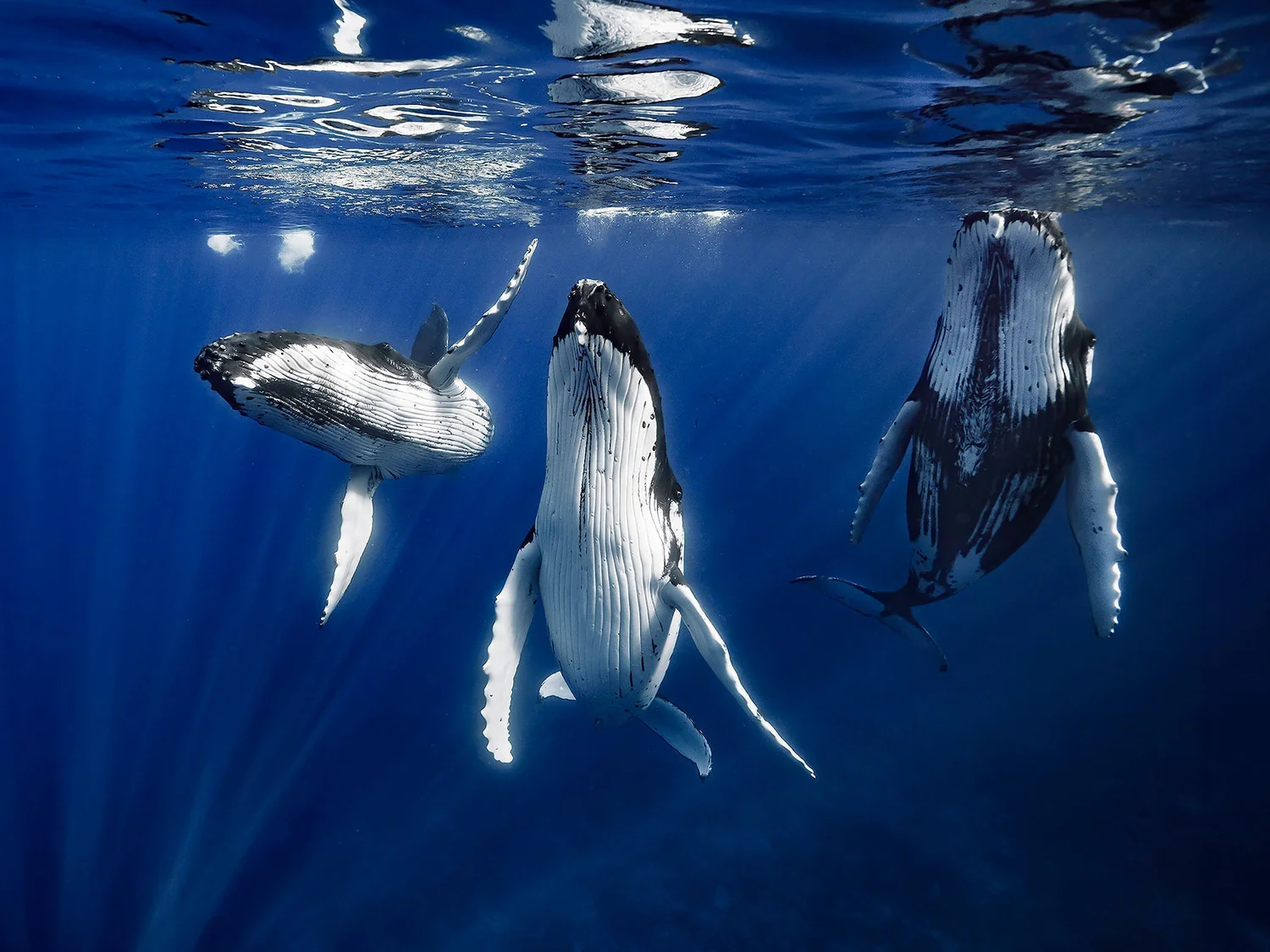
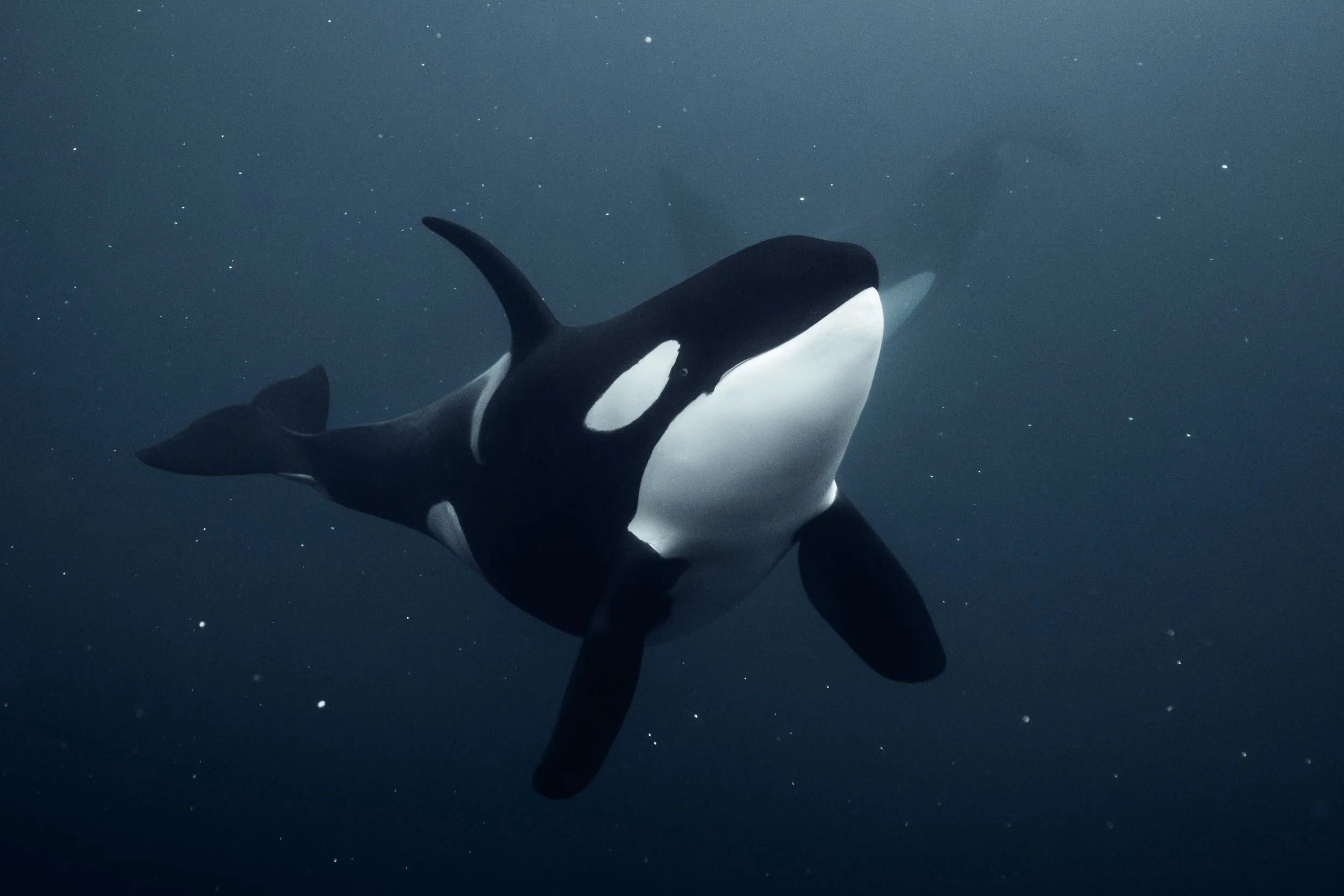
One major way marine animals communicate is through sound.
For example, dolphins use whistles and other sounds that can trigger specific responses or actions from other dolphins. This allows them to stay connected even when they are far away from each other, which is extremely important for survival in the ocean.
Whales also rely heavily on sound communication, especially during migration.
Since visibility in the ocean is often limited, sound becomes much more effective than vision underwater.
Sound actually travels faster and farther through water than light, making communication through sound extremely useful for marine life.
The more I learn about marine communication, the more I realize animals may experience the environment in completely different ways from humans.
In another post, I explored how animals experience the world through different senses and environmental signals humans barely notice.
Marine Animals Solve Problems Differently



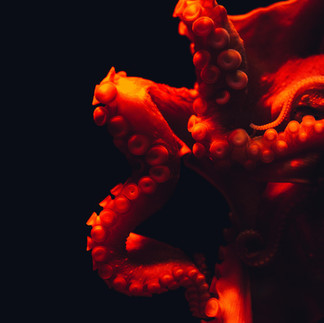


Marine animals can also solve problems in ways that are very different from humans.
One of the most interesting examples is the octopus. Scientists observed octopuses solving puzzles, escaping enclosures, squeezing through tight spaces, and even opening jars.
A major reason for this is their nervous system. Much of an octopus’s nervous system is distributed throughout its arms instead of being fully centralized in the brain. This allows each arm to process information and react quickly on its own.
Because of this, octopuses may experience and interact with the world very differently compared to most other animals.
Scientists continue studying behaviors like these to better understand how animal intelligence develops.
In another post, I explored how scientists study animal behavior through observation, patterns, and experimentation.
Different Brains Evolve for Different Problems

One thing marine animals show is that intelligence is not universal.
Brains evolve differently depending on the challenges an animal faces in its environment. A whale, dolphin, and octopus all process information differently because each species survives in different ways.
Some species rely heavily on communication. Others rely more on memory, migration, camouflage, or problem solving.
The more scientists study animal behavior, the more it becomes clear that there is no single “correct” form of intelligence in nature.
Different environments create different minds.
Look Closer ...
Humans often compare animal intelligence to human intelligence.
But the more scientists study marine animals, the more it becomes clear that intelligence can develop in completely different ways depending on the environment.
Animals do not need to think exactly like humans to be intelligent.
They only need to survive successfully in the world they evolved in.
The More I Thought About It ...
The more I thought about marine animals, the more I realized the ocean may contain ways of thinking humans still do not fully understand.
Species that evolved in darkness, deep water, and massive underwater environments likely experience reality very differently from humans living on land.
Maybe intelligence in nature is much broader and more diverse than humans usually imagine.
Wild World Question
Which marine animal do you think experiences the world most differently from humans?
If You’re Into This:
You might like majors like:
Marine Biology
Ocean Science
Zoology
Animal Behavior
Different environments do not just create different animals. They create different ways of understanding the world.


Comments