
How Do Scientists Study Animal Behavior?
- Dame

- Mar 24
- 3 min read
Updated: May 12
When an average person sees an animal, they usually do not think much about why it behaves the way it does.
A bird flying across the sky or a crab hiding under a rock can seem like very simple actions at first.
But the more I started learning about animal behavior, the more I realized there is usually a much deeper reason behind these actions.
Many behaviors are connected to survival, evolution, adaptation, and the environment animals live in. Scientists continue researching and experimenting with different species in order to better understand how animals behave and why they behave that way.
How Observation Helps Scientists Understand Animal Behavior.


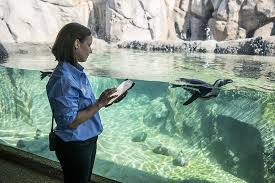
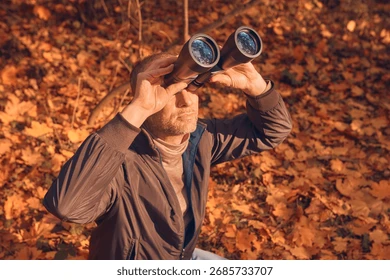
Observation is probably one of the most important methods scientists use to study animal behavior.
But instead of casually watching animals, scientists have to carefully observe and document behaviors over long periods of time. Even basic actions such as movement, sleeping habits, feeding patterns, or social interaction can become important pieces of information.
An animal’s behavior can sometimes change depending on the environment it lives in.
For example, one species of ape may behave differently from another because it had to adapt to a completely different ecosystem.
The more observations scientists collect, the more they can begin understanding how a species functions and survives.
The more I learn about animal behavior, the more I realize animals may experience the world very differently from humans.
In another post, I explored through completely different senses and perspectives than we do.
How Scientists Identify Patterns in Animal Behavior.


Once observations are collected, scientists search for patterns and possible meanings behind behaviors.
They may start asking questions such as:
Does a behavior happen more at a certain time of day?
Does it happen more in certain environments?
Is it connected to food, danger, or social interaction?
Patterns are important because they help scientists build stronger explanations for why certain behaviors happen.
The more patterns repeat, the more evidence scientists have to support their ideas.
Why Experiments Are Important in Animal Behavior Research.


After patterns are identified, scientists often test their ideas through experimentation.
This usually involves changing one factor and observing whether the animal’s behavior changes as a result. For example, changing food availability or isolating an animal from a group may create different behavioral responses scientists can observe.
Experiments help scientists understand whether a behavior is connected to a specific cause, making experimentation an important part of studying animal behavior.
What Animal Behavior Reveals About Evolution and Survival.


Ultimately, animal behavior is closely connected to survival and evolution.
Actions that may seem simple often play a critical role in helping animals stay alive.
For example, ghost crabs quickly burrow into the sand when they sense danger. This behavior reduces their visibility to predators and increases their chances of survival. Over time, behaviors like this become part of how a species adapts to its environment.
Why this matters: These behaviors show how species evolve over time to survive in specific environments. Understanding these behaviors helps scientists see how species evolve and interact with the world around them.
Look Closer ...
The more I learn about animal behavior, the more I realize how much observation matters in science.
Many animal behaviors can look random at first, but scientists slowly build understanding by observing small details repeatedly over time.
Even simple actions can reveal something important about survival, adaptation, or how a species experiences the world around it.
I started thinking about this more after noticing how differently animals reacted to my older sister compared to most people. That experience made me question whether animals interpret humans differently than we assume they do.
One thing that also connects to this is how differently animals may experience the world compared to humans.
In another post, I explored how animals experience the world through completely different senses and perspectives than we do.
The More I Thought About It ...
One thing I find interesting is that scientists still do not fully understand many animal behaviors.
Even with modern technology, there are still many species, environments, and behaviors left to study.
The more humans observe wildlife, the more we realize how complex animal behavior actually is. Sometimes the smallest actions can reveal the biggest ideas about survival and adaptation.
Wild World Question
If you could observe any animal species in the wild for a week, what would you choose and why?
If You’re Into This
You might like majors like:
Zoology
Animal Behavior
Ecology
Wildlife Biology
The more closely humans observe nature, the more complex animal behavior becomes.


Comments